19 October 2026
Understanding IICRC S700 in Fire Damage Restoration for Florida Homes and Buildings
Presented by @floridasafety602
Fire damage in Florida rarely stays neatly inside the box people expect. A small kitchen fire can move greasy smoke into hallways, closets, return vents, and attic openings. A garage fire can leave soot on contents that look untouched from ten feet away. A lightning-related event during storm season can combine fire damage restoration with water damage restoration Central Florida property owners are already worried about from suppression efforts, roof leaks, or wind-driven rain.
That is where IICRC S700 enters the conversation.
If you own, manage, insure, or maintain a home or view page commercial building in Florida, S700 matters because it gives the restoration industry a recognized standard focused on fire and smoke damage restoration. It does not make every project simple, and it does not erase the judgment calls that experienced restorers have to make. What it does provide is a shared framework. That framework is especially useful in Florida, where fire losses often overlap with moisture, humidity, mold concerns, HVAC contamination questions, and, in older structures, the possibility of disturbed asbestos-containing materials.
When people hear “standard,” they sometimes picture a dry technical manual that only contractors need to worry about. In practice, the value is much more practical. A standard helps set expectations for how a loss should be evaluated, documented, cleaned, and communicated. It gives property owners a better way to judge whether a restoration plan makes sense or whether someone is just fogging a house, running an ozone machine, and hoping the smell goes away.
What S700 means in plain language
S700 is the IICRC standard relevant to fire and smoke damage restoration. That matters because fire losses are rarely just about burned materials. They often involve heat, soot, corrosive residues, odor elimination, moisture from firefighting, damaged contents, and secondary risks that unfold over the next day or two.
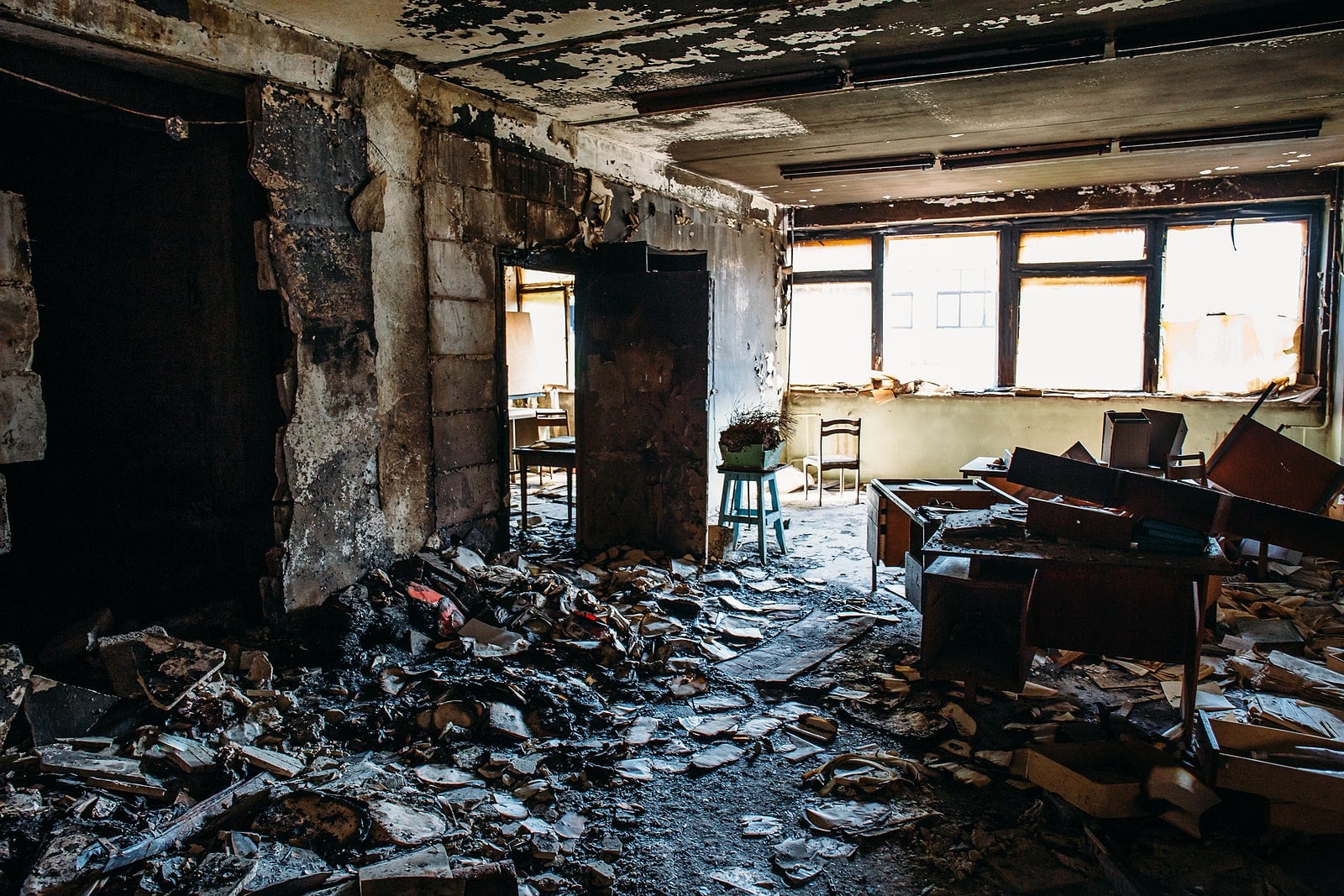
Anyone who has walked into a smoke-damaged building knows this instinctively. The visible char may be limited to one room, yet the odor has moved through the whole structure. Cabinets feel sticky. Metal surfaces begin to discolor. Fine particles settle in odd places, like the tops of door casings, inside drawers, and around supply registers. What looked cosmetic at first can turn into a much larger restoration problem if the response is delayed or too casual.
A recognized standard gives contractors, insurers, and property owners a common point of reference. It supports a more disciplined approach to assessment and restoration rather than guesswork. In everyday terms, it helps answer questions like these: How broad is the impact? What materials are likely salvageable? What contamination moved beyond the burn area? How should odor be approached? What else needs attention because of the fire response itself?
Those questions become even more important in Florida because moisture complicates everything.
Why Florida properties make fire losses trickier
Florida’s climate changes the restoration conversation fast. Heat and humidity can intensify odor problems, slow drying, and create ideal conditions for mold if suppression water or storm intrusion is not handled quickly. State health guidance is very clear on the moisture side: mold is strongly linked to moisture, indoor humidity should be kept below 60 percent, and standing water can allow common molds to take hold in as little as 24 hours.
That timeline surprises a lot of owners after a fire. They are focused on the black soot, the burned framing, the damaged appliances. Meanwhile, damp carpet pad, wet drywall cavities, and humid indoor air are quietly creating the next problem. I have seen this pattern many times in Florida losses: the fire event is dramatic, but the follow-up damage grows in the quieter spaces, behind baseboards, inside closets, and in the HVAC system.
This is one reason fire damage restoration often intersects with other standards and services. If water from suppression or roof failure is part of the loss, that overlaps with the world of S500 for water damage restoration. If fungal growth becomes part of the picture, then mold remediation Lake County and surrounding areas may need to follow the principles of S520. If the air handling system has potentially been affected by water, fire residues, or mold, S590 becomes relevant because it addresses HVAC assessment after water, fire, or mold damage.
That web of related issues is normal in Florida. It is not mission creep. It is how real losses behave.
A fire loss is rarely just a fire loss
Take a fairly typical Central Florida example. A small electrical fire starts in a laundry room. The fire department knocks it down quickly. On first look, the owner feels lucky. There is limited structural burn damage. But the laundry room opens to a hallway, which connects to bedrooms and a return-air pathway. Smoke drifts. Fine residues settle. The response leaves wet materials behind. The house is closed up for a day in warm weather while everyone deals with insurance calls and emergency board-up.
By the second day, the project may involve several layers at once. The burn area needs direct attention. Adjacent surfaces may need cleaning. Odor elimination becomes a major concern. Wet materials need to be dried or removed to prevent mold. The HVAC system may need evaluation if it has drawn in contaminants. If the home is older, damaged pipe insulation, ceiling texture, floor tile, siding, or other materials may raise questions about asbestos.
None of that is unusual. It is the practical reason standards matter.
What a good S700-based mindset looks like on site
A contractor does not have to wave a standard in the air to show they understand it. You can usually hear it in the way they talk through the loss. They do not reduce the whole job to “tear out the burned stuff and deodorize.” They separate direct fire damage from smoke travel. They ask about how long the property sat before mitigation. They look for moisture issues. They pay attention to porous materials, contents, and airflow patterns. They do not dismiss HVAC mold concerns if the system may have been affected.
A thoughtful restoration plan should feel measured, not theatrical. That means the contractor is evaluating what happened, what residues or odors may be present, what materials can realistically be cleaned, what needs removal, and what conditions could make the property worse if ignored. In Florida, the moisture side of that plan matters almost as much as the smoke side.
The best teams also explain trade-offs honestly. Some contents can often be restored, but not everything should be. Some odors respond well to source removal and cleaning, while others linger because the residue remains in hidden cavities or absorbent materials. Sometimes owners want the fastest path back into the building, while sometimes the wiser choice is a more invasive but more complete scope that reduces callbacks and lingering complaints.
That is where professional judgment lives.
Moisture control is not optional after a fire
This point deserves emphasis because people understandably focus on the visible burn damage. In a Florida building, water and humidity can outrun your fire plan if you let them.
State health guidance notes that mold should be removed promptly and that if it returns quickly, an underlying leak or moisture source should be fixed first. That principle fits fire losses perfectly. If the building has standing water, damp materials, or high indoor humidity after suppression, drying becomes urgent. Federal disaster guidance makes the same practical point after floods and storms: drying the home and removing water-damaged items is the most important step to prevent mold damage.
That applies whether the water came from a broken roof after a storm, a fire hose, or both.
I often tell owners that a fire can become three projects if they hesitate: a fire cleanup project, a water damage restoration Central Florida project, and then a mold remediation Lake County or regional project on top of the first two. Nobody wants to pay for that sequence in time, disruption, or money.
If the building’s relative humidity cannot get below 60 percent without adding a dehumidifier, Florida health guidance says the air conditioning system should be examined for problems. That is a detail many property owners miss. They assume the AC is running, so things must be drying. Not necessarily. A struggling system can leave the structure humid enough for trouble, especially in hidden areas.
HVAC can spread problems farther than the fire itself
HVAC is one of the most misunderstood parts of fire restoration. Property owners often think of the system only in terms of odor. They notice the smell becomes stronger when the unit runs. But the concern is broader than comfort. If smoke residues, moisture, or mold have affected the system, the HVAC can move contamination or odor through occupied spaces.
That is why the existence of S590 matters in this broader discussion. It recognizes that HVAC assessment after water, fire, or mold damage deserves its own attention. Florida health guidance also warns that if HVAC may be contaminated with mold, homeowners should consult EPA guidance before moving forward.
That should push owners away from quick-fix promises. A perfume-like masking agent is not a restoration plan. Neither is changing one filter and calling it solved. If a fire event involved smoke movement, suppression moisture, or prolonged humidity, HVAC questions should be part of the scope from the beginning.
The same goes for HVAC mold concerns in buildings that sat closed after a loss. In Florida, that happens often enough to be routine. A vacant property over a warm weekend can change fast.
Older Florida homes and commercial buildings raise another issue: asbestos
This is one of the most important edge cases, and it is one owners do not always anticipate.
EPA guidance says asbestos may be found in older homes and buildings, and that renovation or damage to materials such as floor tile, ceiling tile, pipe wrap, siding, or shingles can disturb it. Fire and restoration work can absolutely bring those materials into play. Demolition, tear-out, debris handling, and access cuts can all disturb suspect materials if the building is old enough.
That means a fire loss in an older property is not just a cleaning question. It may become a regulated material question.
Florida’s asbestos program is intended to minimize the release of asbestos fibers during abatement, remediation, handling, and disposal of asbestos-containing materials. Central Florida property owners should know that the Florida DEP Central District covers Lake, Orange, Seminole, and Osceola counties together, so it is completely reasonable for restoration conversations in this region to address those counties as one operating area.
If suspect material is damaged or if planned work could disturb it, EPA advises using a properly trained and accredited asbestos professional. That is the safe and defensible answer. For a property owner searching for asbestos abatement Groveland FL services after a fire, the key point is not to let a general cleanup crew make casual assumptions about what is or is not safe to remove.
This is where good restoration companies show discipline. They know when a fire project has crossed into a different compliance lane, and they do not improvise.
The overlap with storm losses is very real in Florida
Florida properties do not always get the courtesy of one clean loss event. A building may have a fire during thunderstorm season, suffer roof damage from wind, or take on rainwater after emergency openings are made. A hurricane or severe storm can also cause electrical issues that precede a fire. Later, the same property may require storm damage restoration Florida specialists would recognize as a parallel track to the fire claim.
That overlap makes sequencing important. Drying, weather protection, contamination control, and structural safety all need coordination. If not, one trade can undo another. A roof patch that keeps out rain may trap interior humidity if the drying strategy is weak. A demolition crew may expose additional porous materials before moisture control is stable. Odor work can be wasted if wet materials remain in place.
This is one reason 24/7 emergency restoration matters beyond marketing language. Timing changes outcomes in fire losses, especially in Florida’s climate. A prompt response helps limit secondary moisture damage, shortens odor dwell time, and gives the property a better shot at avoiding mold amplification.
What owners and managers should ask early
The most useful early conversations are rarely technical in the academic sense. They are practical. You want to know how the contractor is thinking, what they are worried about, and whether they are seeing the whole loss instead of just the obvious part.
A few questions tend to separate a careful team from a rushed one:
- How far did smoke and odor likely travel beyond the burn area?
- What wet materials or humidity conditions need immediate attention to prevent mold?
- Does the HVAC system need evaluation because of fire residues, water, or possible mold contamination?
- Are there any older materials here that should be reviewed for asbestos before demolition or removal?
- How will you explain what can be cleaned, what needs removal, and why?
Notice that none of those questions ask for a sales pitch. They ask for judgment. Good answers are specific, calm, and tied to the property in front of them.
What “IICRC-certified remediation” should mean to you
Property owners often see phrases like IICRC-certified remediation in ads and assume all companies use that term the same way. They do not. The phrase only becomes meaningful when it shows up in the process.
A credible team should be able to connect the fire loss to the right categories of work. Fire and smoke restoration is one lane. Water damage restoration is another. Mold remediation may become necessary if moisture conditions are not controlled. HVAC assessment can be its own critical piece. In older properties, asbestos evaluation may need to happen before intrusive work.
That kind of coordination is what gives owners confidence. Not because every job follows a script, but because the people on site understand that restoration is a chain of decisions. If the first decisions are sloppy, everything downstream gets more expensive and less reliable.
For commercial buildings, this is even more important. Occupancy concerns, sensitive contents, tenant communications, and business interruption can all magnify a small mistake. A warehouse with smoke migration into packaged goods, an office with lingering odor in shared air, or a multifamily building with wet wall cavities can turn from manageable to messy in a hurry.
Odor is the complaint owners remember longest
Long after the charred debris is gone, people remember odor. It affects comfort, perceived cleanliness, tenant retention, and trust in the restoration itself. Yet odor is also where shortcuts show up most often.
Strong deodorizers can make a building smell “worked on” without actually solving the source. If smoke residues remain on materials, inside cavities, or in HVAC components, the odor often returns. Humidity can make that worse. On rainy days or in a closed-up building, hidden odor sources seem to wake up again.
That is why odor elimination has to be tied to source control and cleaning, not just treatment. Owners do not need to know every technical detail to understand the principle: if the contamination remains, the complaint often remains with it.
This is another place where a standard-centered mindset helps. It encourages evaluation and restoration based on conditions, not on gimmicks.
Fire losses can cross into biohazard cleanup territory
Not every fire requires biohazard cleanup, but some do. Once a property involves bodily fluids, trauma scenes, or other hazardous biological contamination associated with the event, the project is no longer just a smoke restoration matter. It needs a different level of caution and scope.
That distinction matters because owners sometimes assume one restoration contractor does everything under the same procedures. In reality, a responsible company should recognize when the project has changed categories. A fire scene with water, debris, soot, and biological contamination cannot be treated like a simple contents cleaning job.
The same principle applies as with asbestos or mold: know when the loss has moved into another lane, and bring in the right expertise.
A Florida property owner’s best advantage is speed paired with restraint
Speed matters after a fire, but reckless demolition is not the same thing as a fast response. The goal is to stabilize conditions, reduce secondary damage, and make informed decisions quickly. That balance is what separates professional restoration from panic cleanup.
In practical terms, that means acting fast on moisture, odor source identification, and contamination spread while slowing down enough to recognize issues like asbestos risk, HVAC implications, and the possibility of mold growth in damp materials. It also means understanding that a home in Groveland, a retail space in Lake County, or an office elsewhere in Central Florida may share the same climate pressures even if the building types are different.
A good fire restoration response in Florida respects that reality. It accounts for heat, humidity, storm exposure, and the way indoor air systems connect rooms that seem separate on paper. It does not pretend a fire begins and ends where the flames were visible.
That is the most useful way to understand IICRC S700. It is not just a code number or a credential talking point. It represents a more disciplined way to approach fire and smoke damage restoration, one that fits the messy, overlapping conditions Florida properties actually face. When a contractor understands that, the project tends to feel clearer from the start. When they do not, the property owner usually finds out later, when the odor lingers, the humidity stays high, the mold appears, or an older material should never have been disturbed in the first place.