26 October 2026
When Bad Odors Linger After a Backup: A Practical Guide to Sewage Cleanup and Odor Removal
Presented by @floridasafety602
A sewage backup has a way of taking over a house long after the visible mess is gone. People usually notice the smell first, then the panic, then the rush to mop, disinfect, and open every window they can find. A few days later, the standing water may be gone, the floor may look clean, and yet the odor hangs around like it has settled into the walls themselves.
That is not your imagination. Sewage odors linger because the problem is rarely just on the surface. Contamination can soak into porous materials, settle into cracks, travel into adjoining rooms, and in some cases affect the HVAC system. In humid areas like Central Florida, the challenge gets harder. Moisture does not leave quickly, and anything that stays damp can turn into a second problem, especially mold.
If you are dealing with sewage cleanup in Groveland, Lake County, or elsewhere in Central Florida, the smartest approach is not to chase the smell with stronger deodorizers. It is to treat the odor as evidence. Odor means something contaminated, wet, or damaged may still be present.
Why sewage odors are so stubborn
Sewage contains more than dirty water. It can carry organic waste, bacteria, and debris that settle into building materials. Once that material gets into subflooring, baseboards, drywall, cabinets, insulation, or flooring seams, the smell does not simply evaporate. It remains until the contamination is removed and the space is properly dried.
In practice, this is where many cleanup efforts go sideways. Someone sanitizes the tile but misses the water that ran under the vanity. Or they clean the bathroom floor but do not realize the backup reached the hallway carpet pad. In another case, the room dries unevenly and leaves moisture trapped behind the wall. A week later the odor changes, becomes musty, and suddenly the home needs mold removal in Groveland or another nearby service area.
Florida’s climate adds pressure. Heavy rain, storm season, and high humidity make drying slower and secondary moisture damage more likely. The same local conditions that drive water damage cleanup in Central Florida also make sewage events more complicated. Moisture that lingers feeds odor. It also creates conditions where visible mold or recurring mold can show up if the underlying moisture source was never fixed.
The first question: was it a one-time backup or part of a larger water problem?
This matters more than most homeowners realize. If the backup came from a one-time clog that was quickly contained, the cleanup zone may stay relatively limited. If it followed stormwater intrusion, a plumbing failure, or a drainage issue, contamination may have spread farther than expected.
After hurricanes and major storms, sewage problems often show up alongside broader flooding damage. In those situations, the response looks a lot like hurricane damage restoration in Florida. Reentry safety comes first. Utilities, contamination risk, and structural concerns have to be considered before anyone starts tearing out materials. If flood or storm water was involved, there may be both sewage contamination and moisture spread into areas that do not look obviously affected.
I have seen homes where the bathroom was the starting point, but the worst odor ended up coming from an adjacent closet. The reason was simple. Water followed the easiest path, https://indoorhome540.valiantfield.com/posts/mold-remediation-in-lake-county-why-moisture-control-comes-first-2 slipped under the baseboard, and soaked the carpet tack strip and lower drywall in a room nobody thought to inspect. The bathroom smelled bad on day one. The closet smelled worse on day four.
What to do right away
The first stage is not about making the home smell better. It is about making the area safer and preventing deeper damage. If sewage is present, treat it as a health hazard. Isolate the affected area as much as possible and avoid tracking contamination into clean rooms.
A solid first response usually includes these steps:
- Stop the source if you can do so safely, whether that means shutting off a fixture, avoiding further use of plumbing, or waiting for a plumber if the cause is not clear.
- Keep people and pets out of the affected area, especially children, older adults, and anyone with health vulnerabilities.
- Document the damage with photos and notes before major cleanup begins, then contact your insurer and ask specific questions about your coverage.
- Remove obviously contaminated items that cannot be cleaned, and be cautious with porous materials that have soaked up sewage.
- Bring in professional emergency restoration services if the affected area is large, if contamination spread beyond a small hard-surface area, or if you suspect moisture reached hidden spaces.
Those steps sound basic, but they shape everything that follows. Homeowners who document early and communicate with insurance tend to have a clearer path later, especially if repairs expand into flooring, cabinetry, or wall replacement. FEMA recovery guidance also emphasizes documenting damage and coordinating with your insurer after flood, storm, smoke, or fire events. That same habit helps with sewage losses.
Why masking sprays and air fresheners rarely solve anything
This is one of the most common missteps. Odor sprays can make a room temporarily more bearable, but they do not remove contamination. In some homes they make diagnosis harder because they cover the original smell pattern. A trained technician often learns a lot from where the odor is strongest, how it changes during the day, and whether it smells sharper near drains, softer near soft goods, or mustier near HVAC returns.
A lingering sewage smell usually points to one of several unresolved conditions. Either contaminated material remains in place, the space is still damp, the plumbing issue is not actually solved, or the HVAC system has picked up odor from the event. Sometimes it is more than one of these at once.
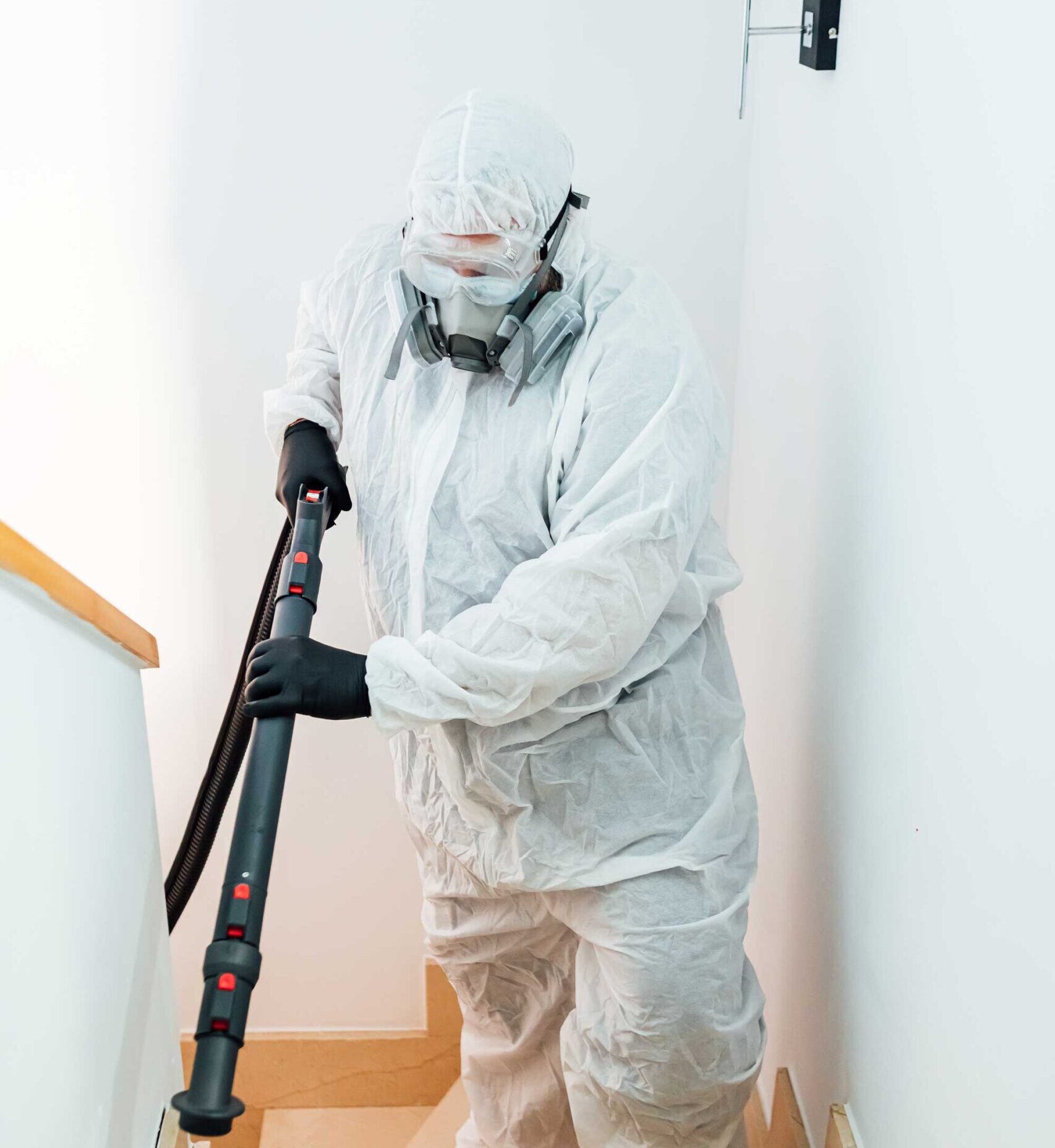
There is also a timing issue. Right after cleanup, the room may smell strongly of disinfectant and appear improved. Then as the disinfectant fades and indoor humidity rises, the odor returns. People often take that as proof the smell is “coming out of nowhere.” More often, it is coming from a material that was never fully cleaned or dried.
The hidden places odor likes to stay
The obvious mess gets attention first. The hidden mess is what causes callbacks.
Subfloor seams are a frequent culprit. So are the bottoms of drywall, cabinet toe-kicks, and the gap where flooring meets trim. Carpet pad is notorious because it absorbs contamination and holds odor long after the carpet surface seems dry. In bathrooms and kitchens, water can travel behind appliances or under built-ins. In slab-on-grade homes, moisture can sit under impermeable flooring and release odor when the room warms up in the afternoon.
HVAC can complicate things further. Florida health guidance notes that mold grows when moisture is present, and common sources include HVAC or drain-pan problems. If a backup event raises indoor humidity or moisture gets near ductwork or air handlers, odors can spread farther than the original loss area. If a central AC system is being used to lower humidity below 60 percent, Florida guidance says the system should be examined for problems. That is worth remembering when a house smells better with windows open but turns sour again once the AC runs.
This is where HVAC mold remediation may become part of the conversation, not because every sewage backup causes mold in the system, but because moisture plus air movement can distribute odors and expose preexisting HVAC issues. A clogged drain pan, condensation problem, or wet duct lining can keep musty odors circulating even after the original cleanup is done.
Odor changes are clues
Not every bad smell after a backup means the same thing. The character of the odor can help narrow down what still needs attention.
A sharp sewage smell often suggests active contamination still remains. A sour smell can point to damp materials beginning to break down. A musty smell raises concern for mold growth, especially if the area stayed wet or indoor humidity remained high. A stale, dusty odor from vents may suggest the HVAC system needs inspection after the event.

One homeowner I spoke with described it perfectly. On day one, the smell was “sewer.” On day five, it was “wet old towel.” That shift turned out to matter. The raw contamination had been mostly removed, but the base of a vanity wall stayed wet and hidden. The odor had changed because the problem had changed.
That is why visible cleanliness is not a reliable endpoint.
When professional help makes the biggest difference
There are cases where a careful homeowner can manage a very limited incident on a small hard, nonporous surface. But once sewage reaches porous materials, spreads into multiple rooms, or lingers beyond a straightforward cleanup, a professional remediation company in Lake County or your local area is usually the safer call.
A seasoned crew does more than spray deodorizer. They trace moisture migration, isolate contaminated areas, remove materials that cannot be restored, and dry the space so odor does not rebound. They also know when one category of damage overlaps with another. A sewage backup may start as sanitation work, then turn into water damage cleanup in Central Florida conditions, then require mold remediation if materials remained damp too long.
That overlap matters in older homes as well. If demolition or renovation is needed to remove damaged drywall, flooring, or insulation, there can be age-related hazards to consider. Homes built before 1978 may contain lead-based paint, and renovation or repair can disturb it. Older materials can also raise asbestos concerns during demolition. In those situations, Groveland FL asbestos testing or asbestos abatement in Lake County may become relevant before walls, ceilings, or flooring are opened up extensively. No one should guess about those hazards when the cleanup expands into demolition.
The moisture piece people underestimate
Odor removal is inseparable from drying. If a home feels damp, smells damp, or has areas that never fully returned to normal after the backup, the job is incomplete.
Florida homes face special pressure here because humid summers and heavy rains slow natural drying. Bathrooms without strong ventilation, kitchens with condensation issues, plumbing leaks inside walls, roof leaks, and AC trouble can all feed post-backup odor. Florida health guidance is clear on the larger point: visible mold or recurring mold usually means the underlying moisture source still needs to be fixed.
That one principle explains a lot of repeat odor complaints. People focus on cleaning the symptom instead of correcting the moisture source. If the toilet overflowed because of a one-time blockage, fix the blockage and dry the room. If the odor keeps returning, look for the second issue. It might be hidden moisture under flooring, a bad wax ring, condensation around supply lines, a slow plumbing leak, or an HVAC drainage problem.
A room can smell “clean but off” for a long time when the moisture source has not been identified.
What usually has to be discarded
People naturally want to save as much as possible. Sometimes that is reasonable. Sometimes it keeps the odor in the home.
In general, porous materials that absorbed sewage are much harder to restore than hard, cleanable surfaces. Carpet pad is often a loss. Upholstered furniture, paper goods, and some insulation may not be good candidates for cleaning once contaminated. Food exposed to flood or storm water should be thrown away, and that guidance is worth remembering if a sewage event followed broader flooding.
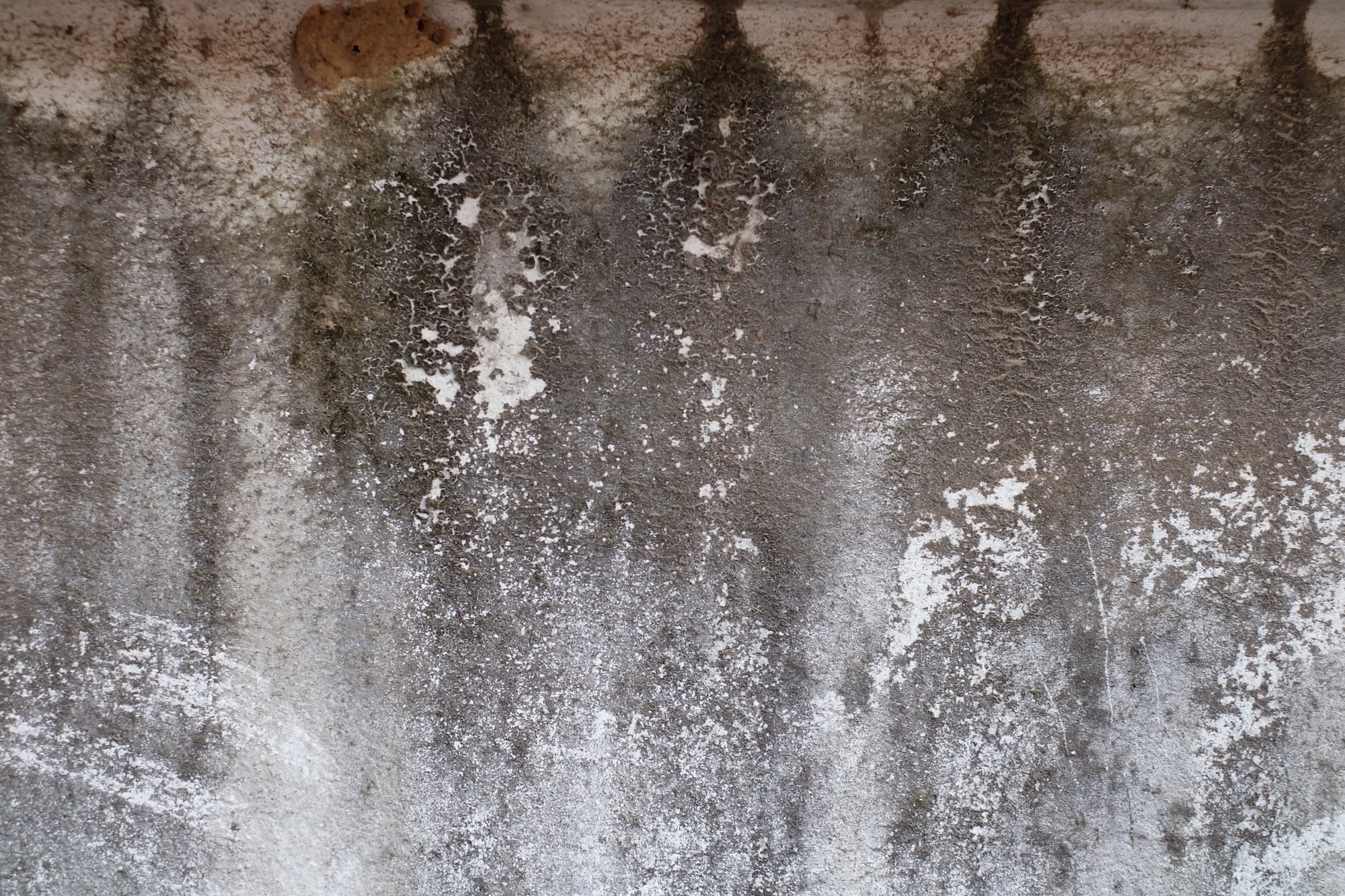
This is also where emotions run high. I have seen homeowners spend hours scrubbing low-cost items while overlooking the real odor source under the floor transition or inside a cabinet base. Saving possessions matters, but it helps to separate sentimental value from contamination risk. A professional can often give practical guidance on what is restorable and what is likely to keep causing odor.
Insurance, records, and the calmest way to handle the paperwork
Insurance conversations go better when the loss is documented early and clearly. Homeowners insurance is a legal contract, and the details of coverage matter. Ask questions, keep notes, and maintain an inventory of damaged items if you can. If a sewage backup branches into flooring replacement, drywall removal, or larger repairs, the paper trail becomes more important.
Photos should show the source area, the spread, and individual damaged items. Keep receipts for emergency purchases and cleanup-related services. If a remediation company is involved, save moisture readings, work authorizations, and scope notes. Those records help tell a simple story later, especially if the odor issue reveals hidden damage after initial cleanup.
This approach also applies when sewage damage is part of a larger event, such as storm loss, fire suppression runoff, or broad property damage. It is not unusual for one incident to touch multiple specialties, including fire and smoke damage cleanup after extinguishing a small house fire, followed by water and contamination work from suppression efforts. The paperwork may feel tedious, but it protects you.
Signs the odor problem is becoming a mold problem
Not every lingering smell after a backup is mold. But some are, and in Florida that shift can happen faster than people expect if moisture persists.
Watch for a smell that becomes earthy or musty rather than distinctly sewage-like. Watch for staining, dampness that returns after seeming to dry, recurring condensation, or rooms that feel humid even with the AC running. Florida guidance points to common mold sources such as plumbing leaks, flooding, poor bathroom or kitchen ventilation, condensation, roof leaks, and HVAC issues. Those conditions line up closely with what often follows a poorly dried sewage event.
If mold is visible or keeps coming back, the cleanup plan has to widen. You are no longer just handling odor removal. You are correcting a moisture problem and addressing contamination that may now involve licensed mold professionals. In Florida, mold assessor and mold remediator licensure is handled by the state through the Department of Business and Professional Regulation, which is one more reason to use qualified help when the issue grows beyond surface cleaning.
A practical way to judge whether the cleanup worked
People often ask how long a house should smell after a sewage backup. There is no one-size-fits-all answer because the timeline depends on how much contamination occurred, what materials were affected, and how quickly the space was dried. But there is a practical standard that matters more than a calendar.
A properly cleaned and dried area should trend steadily better, not better one day and worse the next. The smell should not spike when the HVAC runs, after a humid afternoon, or when a closed room is reopened. Surfaces should not feel tacky or damp. The odor should not concentrate near trim, cabinets, or flooring edges. If it does, something is still there.
A good post-cleanup check usually includes these questions:
- Does the room smell normal with windows closed and the HVAC operating as usual?
- Has the original plumbing or drainage issue been fully corrected?
- Were any porous materials that soaked up sewage removed rather than simply dried?
- Is indoor humidity being controlled effectively, with no signs of recurring dampness?
- If demolition was needed, were older-home hazards like lead or asbestos considered before the work began?
If the answer to any of those is no, it is worth pausing before repainting, reinstalling flooring, or declaring the job done.
The local reality in Groveland and Lake County
Homes in Groveland and the surrounding Lake County area deal with a climate that does not give much grace after a water or sewage event. Humid summers, heavy rain, and hurricane season all work against fast drying. That does not mean every backup becomes a major restoration project, but it does mean small mistakes can become expensive ones.
A simple bathroom overflow can turn into hidden subfloor odor. A storm-related backup can turn into broader hurricane damage restoration in Florida conditions. A damp closet can become a mold removal Groveland call. An odor that spreads through the vents can lead to HVAC mold remediation or at least a careful AC inspection. If walls or old flooring need to come out, Groveland FL asbestos testing or asbestos abatement in Lake County may enter the picture before reconstruction moves forward.
That is why the best emergency restoration services do not look at sewage cleanup as a stand-alone task. They look at the building as a system. Water moves. Odors travel. Humidity changes the outcome. Materials react differently. Older homes carry their own risks. And the visible damage is often only half of the job.
When a bad odor lingers after a backup, the smell is doing you a favor. It is telling you that something has not been fully resolved. The fix is rarely another candle or another spray. It is careful investigation, proper cleaning, removal of what cannot be saved, and control of moisture so the problem does not evolve into something bigger.
Handled well, a home can recover fully. Handled halfway, it can smell wrong for months. That is the real difference between surface cleanup and true remediation.